


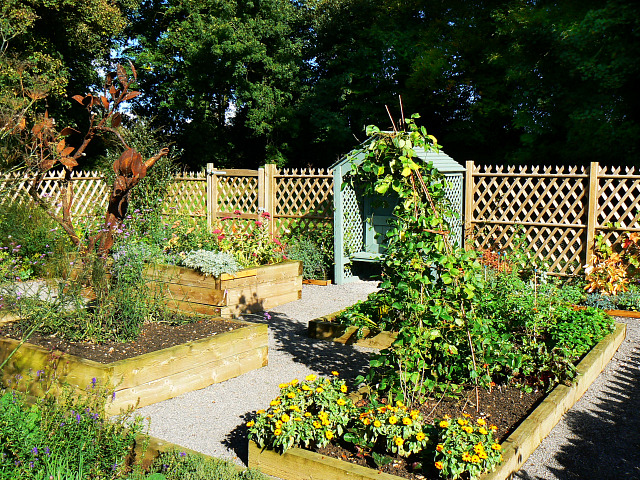
A history of kitchen gardens and victory gardens
Kitchen and victory gardens have a rich history rooted in self-sufficiency and community resilience, evolving from ancient times to inspire modern urban farming innovations. Today’s urban agriculture blends tradition with technology to address food security, sustainability, and local engagement.
Kitchen gardens—also known as potagers or kailyairds in Scotland—have been cultivated for centuries as spaces dedicated to growing edible and medicinal plants close to the home.

Here’s a quick journey through their evolution:
- Ancient Roots: The concept dates back to Roman Britain, where vegetable plots were common in domestic and monastic settings.
- Medieval Period: Monasteries and manorial estates featured enclosed gardens with herbs, fruits, and vegetables essential for cooking and healing.
- Renaissance to Victorian Era: Kitchen gardens became more formalized, often walled and geometrically designed. Wealthy estates used heated walls and glasshouses to grow exotic produce like pineapples and peaches.
- Pioneer America: Settlers relied heavily on kitchen gardens for food, medicine, and dyes. These gardens were placed close to the home and designed with practicality and geometry in mind.
- Modern Revival: After a decline in the 20th century due to industrial agriculture, kitchen gardens have seen a resurgence, especially during times of crisis like the COVID-19 pandemic.

🥕 Victory Gardens: Wartime Patriotism in the Soil
Victory gardens were a powerful symbol of civilian contribution during both World Wars:

- World War I Origins: First promoted in 1917 by the U.S. National War Garden Commission, these gardens helped offset food shortages and boost morale.
- World War II Expansion:
- In the U.S., over 20 million gardens produced nearly 8 million tons of food by 1944—about 40% of the nation’s fresh produce.
- In Canada, the government initially discouraged amateur gardening but reversed course in 1943, leading to over 209,000 gardens nationwide.
- In Britain, the “Dig for Victory” campaign transformed parks, sports fields, and even royal grounds into vegetable plots.
- Symbolism & Impact: Victory Gardens weren’t just about food—they fostered community, patriotism, and self-reliance. They were often tended by women, children, and urban dwellers, turning lawns and rooftops into productive spaces.
🌻 Why It Matters Today
Both kitchen and victory gardens reflect a timeless human instinct: to cultivate resilience. Whether driven by necessity, sustainability, or nostalgia, these gardens continue to inspire modern movements in urban farming, permaculture, and food sovereignty.